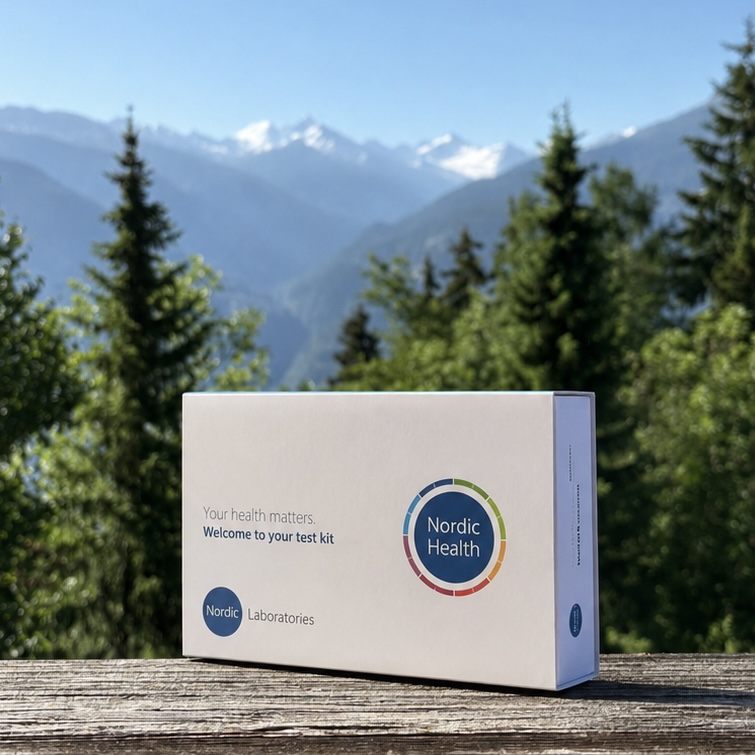
Select the area and specific problem to see exactly how we approach it through this test.
Precise markers mean precise actions. Once the test shows what is actually driving the pattern, the plan can target that, instead of guessing.
Not sure this is the right test for you ?
Book your free consultation →DUTCH is not a list of hormone levels, it reads four connected layers of your endocrine system at once.
Read together, these four layers show how much you make, which route you send it down, and what your stress curve is doing across the day.
Most people run one test. Where a second genuinely adds an answer the first cannot give, this is the pair we reach for.
Not sure this is the right test for you ?
Book your free consultation →- 01
Your kit arrives
A sealed collection kit comes to your door, with clear step-by-step instructions and everything you need inside.
- 02
Collect your sample
A few simple minutes at home, no clinic visit and no needles. The instructions walk you through it.
- 03
Ship it back
The sealed sample goes in the prepaid return packaging, straight to the laboratory for analysis.
- 04
Results
The laboratory reports back, and our experts read your results against your full picture.
- 05
Your protocol
We go through them with you and adapt your protocol around what they show.
Dried urine strips · collected at home over a single day
Have a call with our Lead Nutritionist to order your test and get your data-backed, personalised plan.
Book your free consultation →A lab number on its own changes nothing. What matters is who reads it, and your results pass through two layers of expertise before they ever shape your protocol.
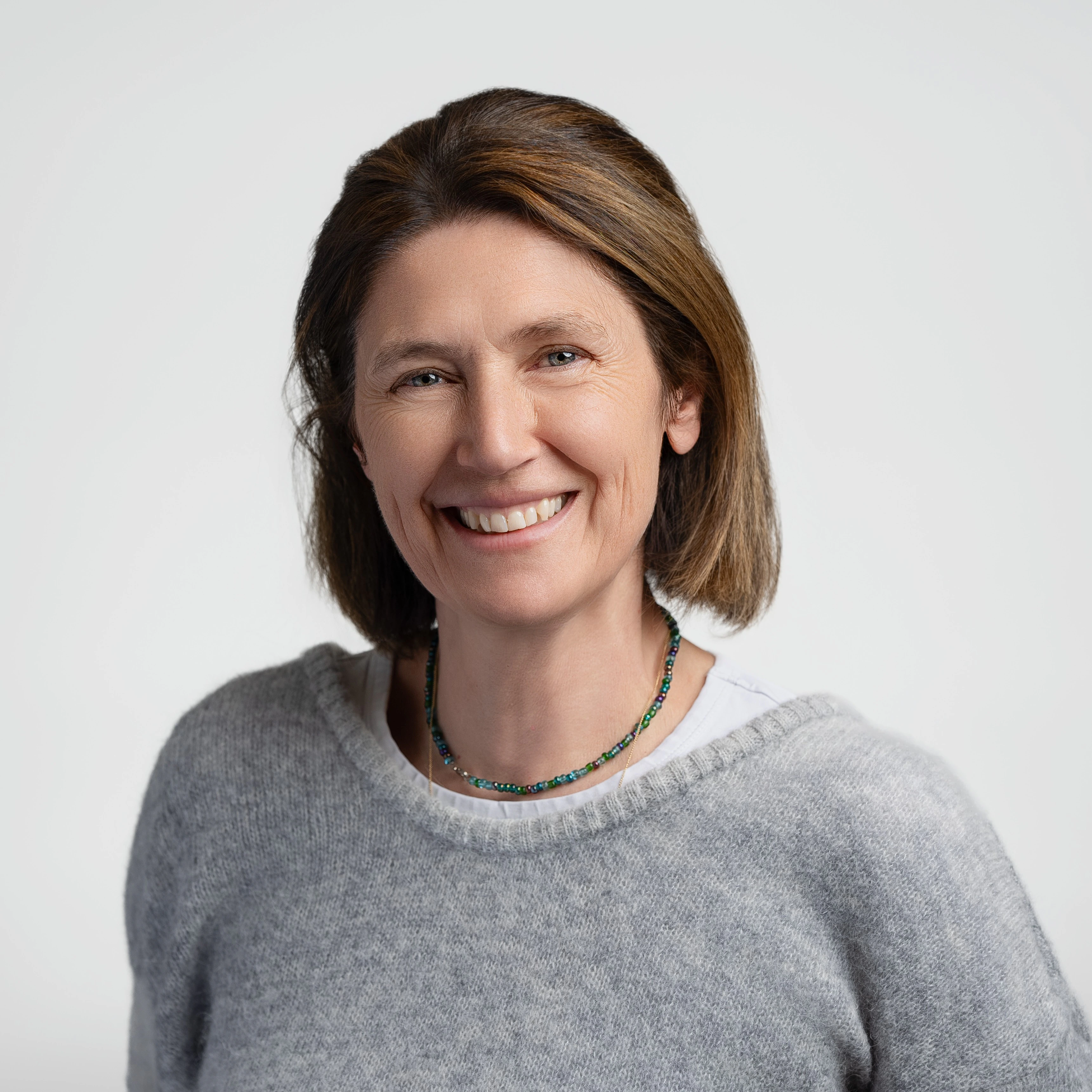
Alessandra Ginsburg
IFM-certified Functional Nutrition PractitionerAlessandra interprets every marker against your full clinical picture, your symptoms, history, lifestyle and goals, not against a generic reference range. She is the one who turns raw lab data into the specific, personalised actions in your protocol, and who decides when a finding warrants medical evaluation and a referral to a physician.
Nordic Laboratories
Specialist functional-medicine laboratory · since 1997 · 100+ countriesYour sample is processed by Nordic Laboratories, a specialist functional-medicine lab operating since 1997 across more than 100 countries. Their scientific team runs the validated PCR and metabolomic assays under strict quality control, so the data Alessandra works from is accurate, reproducible and clinically meaningful.
Every claim on this page is anchored in published, peer-reviewed science. The studies behind it:
References ground the science of each marker, they describe the biology and published outcomes, not a guarantee of individual results.
Functional testing at FunctionAlps is used to guide nutritional optimisation within ASCA and EMR scope. It is not a medical diagnostic tool. When findings warrant medical evaluation, we coordinate with a referring physician.